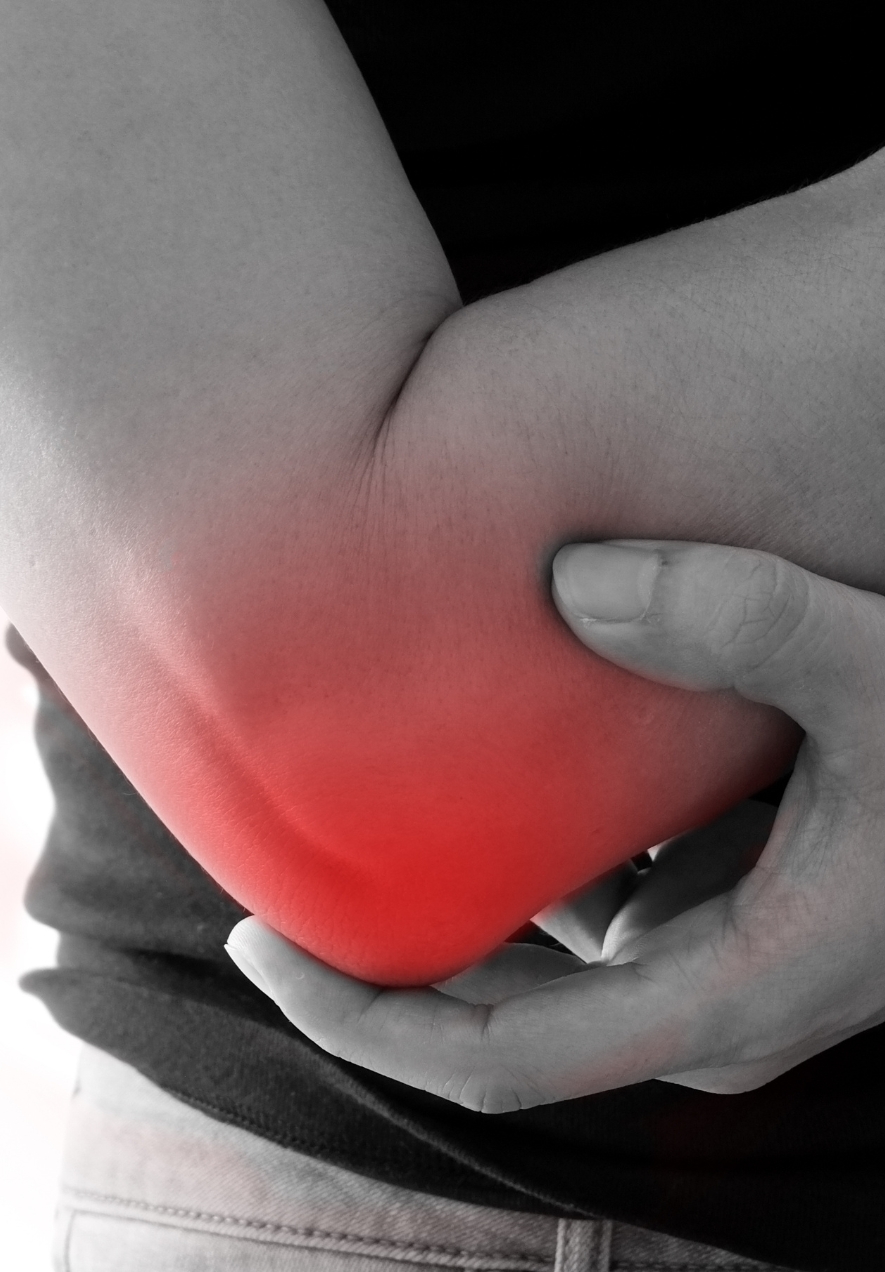
​​There are approximately 160 bursas in the body.  A bursa is a small fluid-filled sac lined that provides a cushion between bones, tendons and/or muscles around a joint. The bursa helps to reduce friction between the bones and allows free movement. Bursitis is inflammation in the bursa.  Most commonly, bursitis is due to infection, repetitive movements, and excess pressure.  The hips, shoulders, elbows and knees are the most commonly affected regions.  Bursitis can be treated with anti-inflammatory medications and typically respond very well to steroid injections.  On rare occasions, patients develop chronic bursitis that does not respond well to anti-inflammatories.  In these cases, surgery is an option.

Recognizing the Signs of Bursal Inflammation

Localized Joint Ache
Experiencing a deep, dull ache or stiffness near the hip, shoulder, elbow, or knee that significantly intensifies with movement.
Visible Swelling and Warmth
The affected joint may appear noticeably swollen, red, and feel unnaturally warm to the touch due to underlying fluid buildup.
Pain Under Pressure
Sharp, localized pain when pressing on or lying on the affected joint, which frequently disrupts sleep and daily rest.
Restricted Range of Motion
A noticeable decrease in flexibility and joint mobility, making routine activities like reaching overhead or climbing stairs a daily struggle.
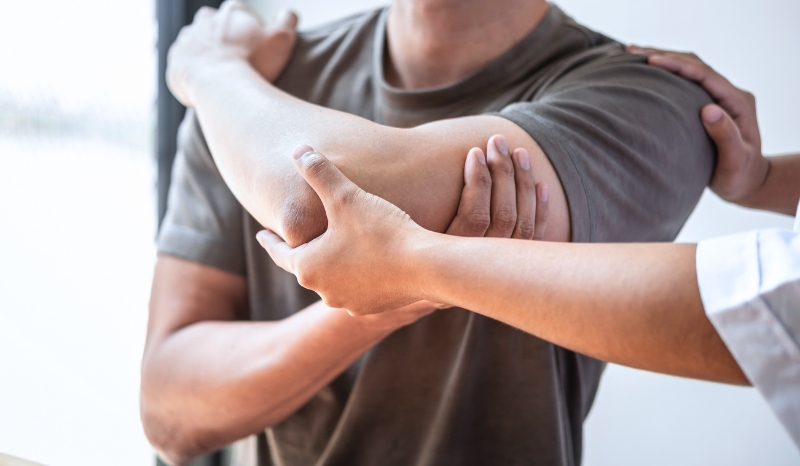
Doctor and patient reviewing treatment plan

When the small, fluid-filled sacs designed to cushion your joints become irritated and inflamed, every movement generates friction, leading to localized pain and restricted mobility.

Biomechanical Triggers

Frequent repetitive motions, prolonged localized pressure, or acute trauma that repeatedly stress the bursa sac.

Medical Causes

Underlying inflammatory conditions such as rheumatoid arthritis, gout, or localized staph infections driving the fluid buildup

Diagnostic Imaging

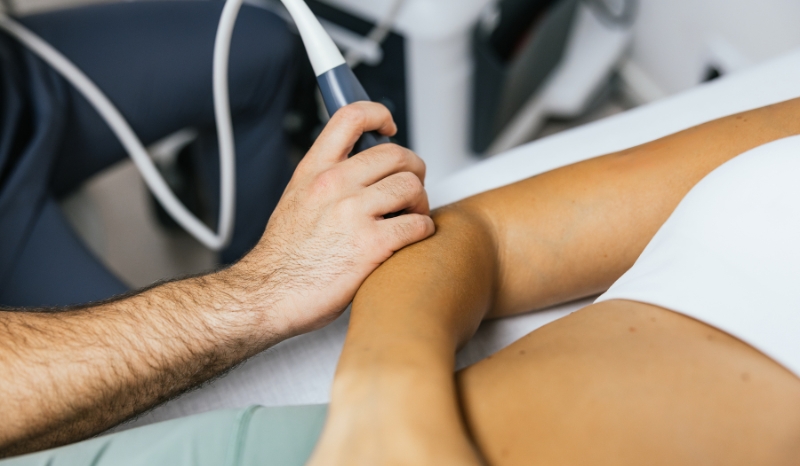
Utilizing advanced ultrasound and MRI modalities to visualize bursa swelling, identify fluid collections, and rule out structural joint damage.

Targeted Interventions

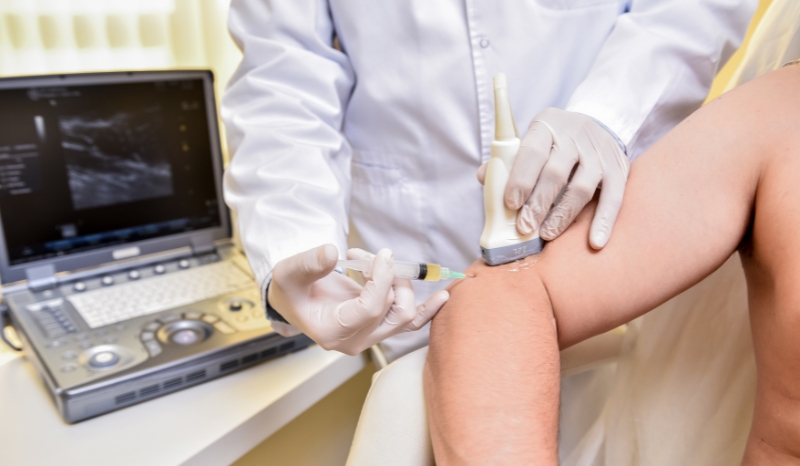
Direct, ultrasound-guided delivery of corticosteroids and local anesthetics into the bursa to rapidly halt the inflammatory cascade.
01

02

03

04

Patient Testimonials

"Dr. Dabah and his colleagues are absolutely the best! They will have no problem battling it out with insurance companies to get you the results you deserve. They are kind, caring individuals from the front desk all the way up the chain of command. I am definitely recommending him and his team to take care of my family and friends as well as your family and friends. Thanks doc! 😎"
Hugo Uribe
"First visit and it was a great experience. The front desk staff was very welcoming.I felt heard by the provider as he actively listened to my concerns and symptoms. I would recommend this center to anyone that is in need of a pain provider."
Danielle K
"I am delighted by the results. I limped into the office in a great deal of pain which I endured for months. After a few weeks of pain management, I was back to my swift walking. My last appointment recommended suggestions for maintenance and coming back if necessary. Great experience and friendly staff!"
Audrey Boyd

Who Benefits from Advanced Bursitis Interventions?

Individuals experiencing persistent, localized joint pain that fails to improve with prolonged rest, icing, and oral NSAIDs.
Patients whose daily functional activities or nightly sleep are severely hindered by pressure-induced joint pain.
Those suffering from recurrent bursitis flare-ups in high-friction areas like the trochanteric (hip), subacromial (shoulder), or prepatellar (knee) bursa.
Individuals seeking highly effective, minimally invasive injection therapies before considering surgical bursa excision.

Expert Tip: "Early intervention is key. Treating bursa inflammation promptly with targeted, image-guided injections can prevent the permanent thickening of the bursa sac, which often leads to chronic, treatment-resistant pain."

MVPS Bursitis Interventions vs. Traditional Care

Pain Relief Speed

Treatment Approach

Recovery Time

Procedure Setting

Rapid onset

Image-guided

Minimal downtime

In-office

Weeks to months

Broad systemic

Prolonged rest

Home or hospital

15+

500+

Top 1%

Take the First Step Toward Relief

Schedule a consultation today to discuss your symptoms, learn about your treatment options, and find out which approach may be right for you.
(847) 750-6877
3200 W Higgins Rd Suite 101 Hoffman Estates, IL 60169
Midwest Vascular and Pain Specialists