There are many types of neuropathy. Peripheral neuropathy is a term used to describe damage to peripheral nerves, which may impair sensation or movement. Common causes of peripheral neuropathy include diabetes, vitamin deficiency, medication side effects, chemotherapy, tobacco use and severe hypertension. The treatment of peripheral neuropathy revolves around treating the underlying condition, if possible. Persistent neuropathy pain can be treated with medications specifically designed to treat neuropathy.
Identifying the Signs of Nerve Damage



Peripheral neuropathy occurs when the complex network of nerves connecting the brain and spinal cord to the rest of the body becomes damaged. This interruption in vital communication lines can stem from metabolic conditions, toxins, or systemic diseases, requiring targeted medical intervention.

Uncontrolled high blood sugar and severe hypertension over time can severely damage the delicate nerve fibers throughout the extremities.

A severe lack of B vitamins or exposure to certain chemotherapy drugs, heavy metals, and tobacco can rapidly deteriorate nerve health.

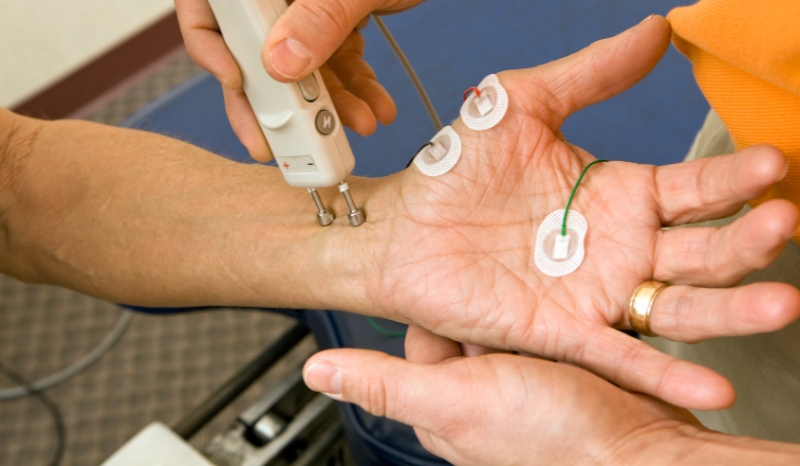
Utilizing advanced nerve conduction studies (EMG) to precisely map the extent, severity, and exact location of electrical signaling damage.

Employing specialized neuropathic medications and targeted nerve blocks to modulate misfiring pain signals and restore sensory comfort.





Expert Tip: Early intervention is critical; diagnosing and managing peripheral neuropathy in its initial stages can often halt permanent nerve degradation and drastically improve your long-term functional outcomes.

Treatment Goal
Diagnosis Method
Care Plan
Relief Speed
Follow-up
Root Cause
Advanced EMG
Highly Personalized
Rapid Onset
Continuous
Symptom Masking
General Exam
One-Size-Fits-All
Slow Progression
Sporadic