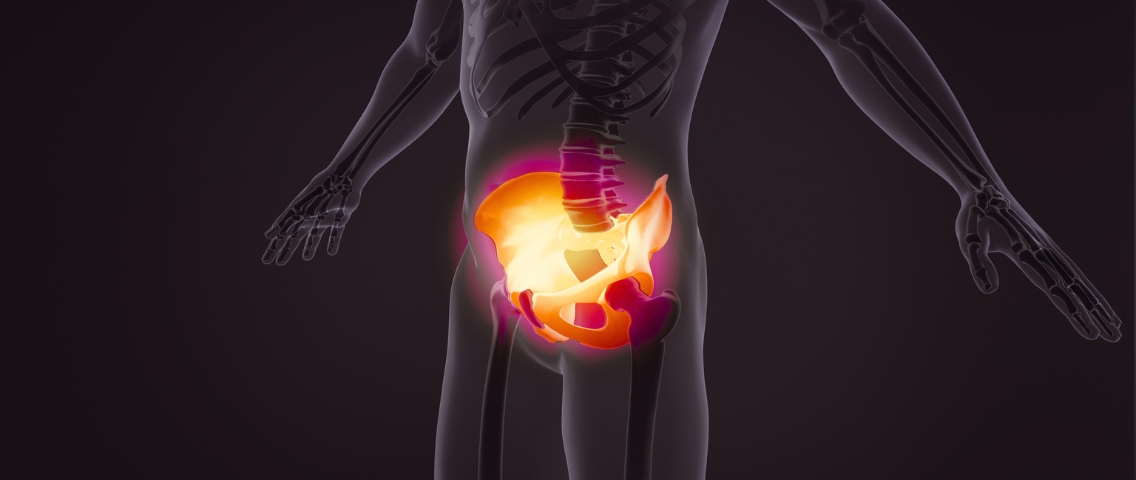
Pelvic pain can have a variety of causes including: endometriosis, pudendal neuralgia, ovarian cysts and pelvic inflammatory disease. It is important to first determine if there are any underlying disease processes that may be contributing to this pain. Often, your pain management specialist will work with your primary care physician, your gastroenterologist and/or gynecologist to work on a comprehensive treatment plan.
Navigating the Complexities of Chronic Pelvic Discomfort



Chronic pelvic pain is a multifaceted condition requiring highly specialized diagnostics to pinpoint the precise neurovascular, muscular, or structural root cause, moving beyond simple symptom masking to provide targeted relief.

Identifying scar tissue, lesions, or cysts that cause mechanical pressure and chronic inflammation within the pelvic cavity.

Targeting specific nerve entrapment, damage, or severe inflammation impacting the pelvic floor and surrounding regional tissues.

Utilizing high-resolution imaging and physical evaluation to detect hidden neurovascular abnormalities missed by standard exams.

Deploying targeted, image-guided anesthetic and steroid injections to interrupt pain signals and break the chronic pain cycle.
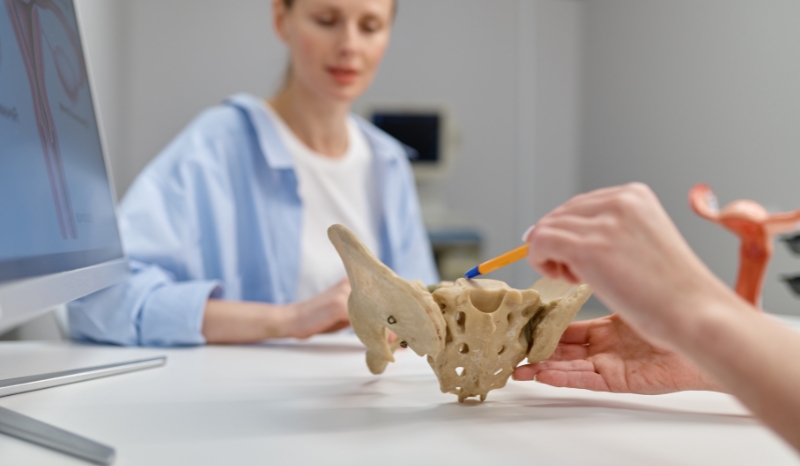
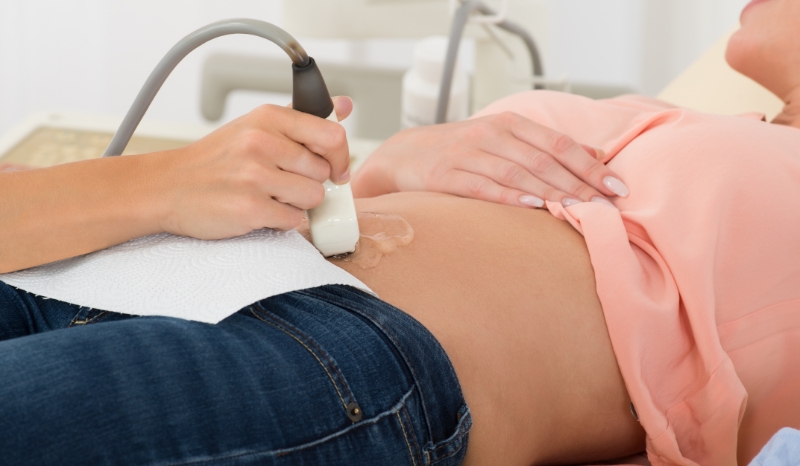


Expert Tip: "Because the pelvic region houses a complex web of overlapping nerves and organs, identifying the exact pain generator requires a highly collaborative approach. An image-guided diagnostic nerve block is an invaluable tool—acting as both a test and a treatment by instantly revealing if a specific nerve pathway is the true culprit of your discomfort."
Incision Size
Recovery Time
Anesthesia
Focus
Pinpoint
Same Day
Local
Targeted
Large
Weeks
General
Systemic