The shoulder joint is made up of the clavicle, humerus, and scapula. Besides these bones, there are many other structures involved including the rotator cuff muscles and a variety of bursa fluid filled sacs.The shoulder is the most movable joint in the body, which also makes it the most unstable joint. This instability increases the likelihood of joint injury, often leading to a degenerative process in which tissues break down and no longer function well. Shoulder pain can be due to joint degeneration, bursitis, impingement syndrome, and rotator cuff tears. For that reason it is important that you meet with a provider to determine the source of the pain and lay-out the appropriate treatment plan.
Is Shoulder Stiffness & Pain Limiting Your Arm Movement?



Understanding joint instability and how targeted interventional care restores shoulder stability.

As the body's most movable joint, the shoulder relies heavily on delicate soft tissues, making it uniquely susceptible to wear and tear.

Repetitive motion or injury causes painful inflammation in fluid-filled bursae sacs and micro-tears in stabilizing rotator cuff tendons.

Advanced imaging and targeted evaluations isolate whether your pain stems from joint degeneration, impingement, or severe bursitis.

Image-guided injections and minimally invasive treatments target inflamed tissue directly to relieve pain and preserve joint function.
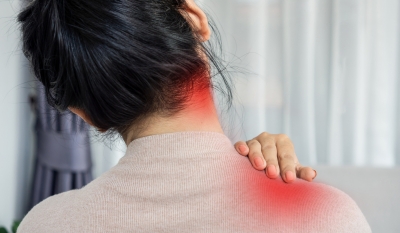
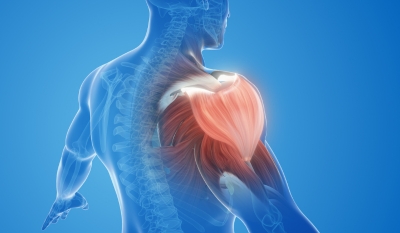




Expert Tip: Ignoring chronic shoulder bursitis or impingement can cause compensatory movement habits, leading to secondary neck strain and full rotator cuff tears. Early image-guided care protects overall joint longevity.
Anesthesia
Recovery Time
Hospital Stay
Invasive Level
Local
1-2 Days
None
Minimally Invasive
General
4-6 Months
1-2 Days
High