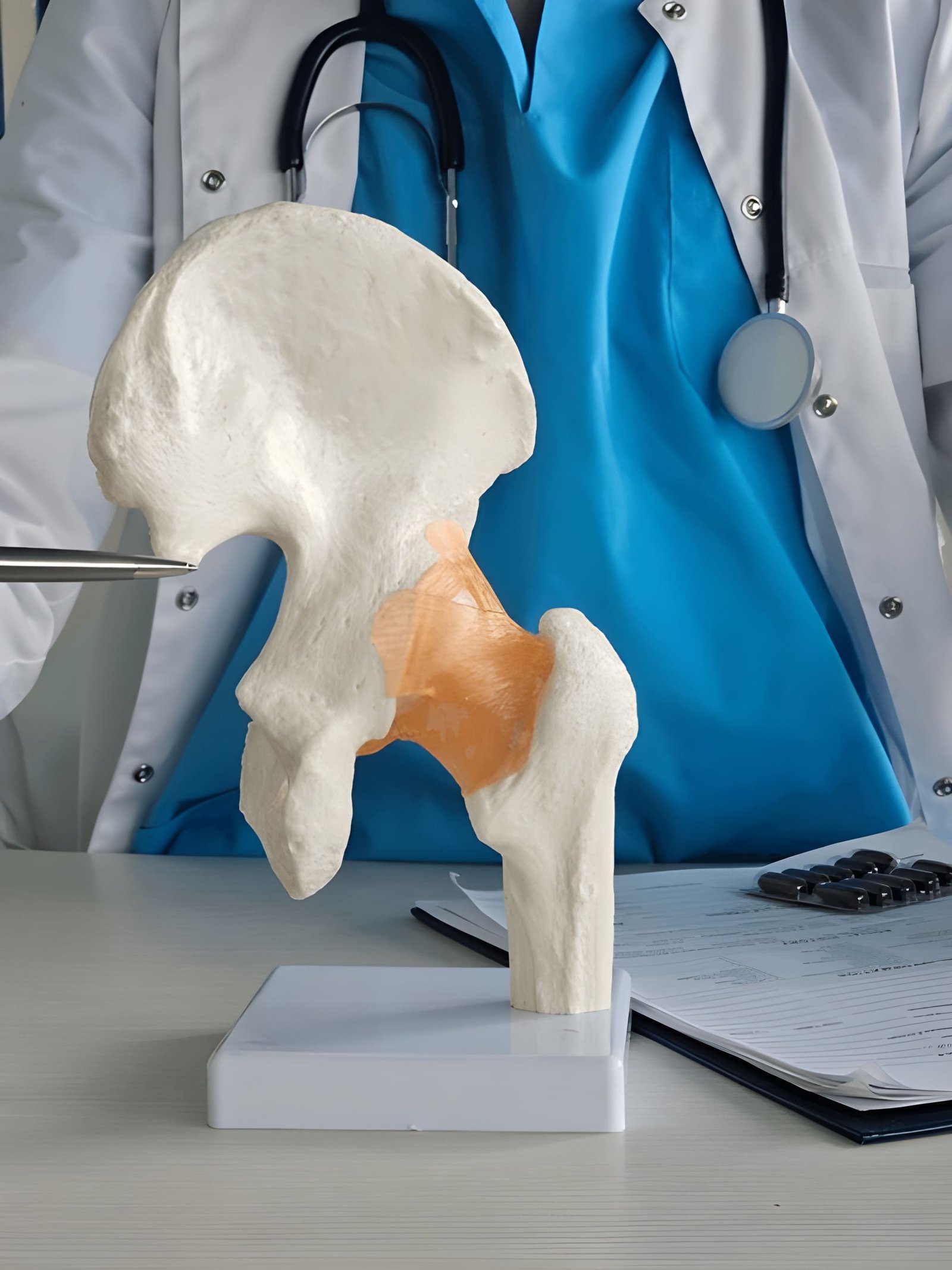
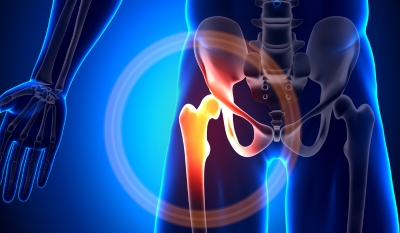
​​​The sacroiliac joint is the junction between the sacrum and the ilium bones of the pelvis, which are connected by strong ligaments. Sacroiliac joint pain is often due to abnormal motion in this region. This may results in inflammation and pain of the SI joint.  Patients with SI joint pain may complain of low back, buttocks, groin and hip pain.  SI joint pain is often difficult to diagnose.  Treatment options include medications and SI joint injections.  More recently, the SI joint fusion procedure has been developed, which allows the practitioner to fuse the SI joint and prevent the friction that causes pain.

Recognizing the Signs of Pelvic and Lower Back Instability

Localized Lower Body Aches
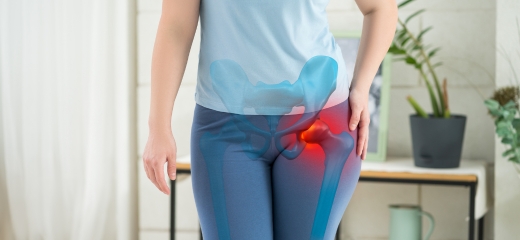
Experiencing sharp, stabbing, or dull pain radiating from the very base of the spine down through the buttocks, groin, and occasionally the upper thighs.
Difficulty Transitioning Postures
Struggling to stand up from a seated position, rolling over in bed, or climbing stairs due to sudden, jolting pelvic discomfort.
Weight-Bearing Intolerance
Feeling increased, highly localized pain when standing on one leg or putting uneven weight on the pelvis during standard daily activities.
Disrupted Sleep Patterns:
Enduring worsening pain during the night, especially when attempting to sleep on the affected side, leading to chronic daytime fatigue.
Doctor and patient reviewing treatment plan

The SI joint acts as a crucial shock absorber between your upper body and legs. When the supportive ligaments become damaged or degenerate, the resulting abnormal micro-motions lead to debilitating localized inflammation and nerve irritation.

Ligamentous Laxity

Hormonal changes, prior physical trauma, or repetitive stress can weaken the strong ligaments holding the sacrum and ilium together, causing painful hypermobility.

Degenerative Sacroiliitis

Natural wear and tear over time can erode the protective cartilage within the joint space, leading to bone-on-bone friction and localized osteoarthritis.

Diagnostic Precision

Because SI pain closely mimics sciatica, highly precise, fluoroscopically guided numbing injections are utilized to pinpoint the exact origin of your discomfort.

Minimally Invasive Fusion

Advanced interventional procedures use small titanium implants to stabilize the joint, eliminating the painful friction and restoring lasting structural integrity.
01

02

03

04

Patient Testimonials

"Dr. Dabah and his colleagues are absolutely the best! They will have no problem battling it out with insurance companies to get you the results you deserve. They are kind, caring individuals from the front desk all the way up the chain of command. I am definitely recommending him and his team to take care of my family and friends as well as your family and friends. Thanks doc! 😎"
Hugo Uribe
"First visit and it was a great experience. The front desk staff was very welcoming.I felt heard by the provider as he actively listened to my concerns and symptoms. I would recommend this center to anyone that is in need of a pain provider."
Danielle K
"I am delighted by the results. I limped into the office in a great deal of pain which I endured for months. After a few weeks of pain management, I was back to my swift walking. My last appointment recommended suggestions for maintenance and coming back if necessary. Great experience and friendly staff!"
Audrey Boyd

Identifying Ideal Candidates for Advanced SI Joint Interventions

Individuals who have experienced chronic, documented lower back or buttock pain for over six months without relief.
Patients who have achieved at least 50% temporary pain reduction from a diagnostic, image-guided SI joint injection.
Those who have exhausted conservative care regimens, including physical therapy and oral medications, without lasting success.
People whose daily routines, sleep quality, and overall mobility are significantly impaired by localized pelvic joint pain.

Expert Tip: Because sacroiliac joint dysfunction closely mimics lumbar disc herniation and sciatica, a thorough diagnostic workup utilizing image-guided anesthetic blocks is absolutely crucial before considering any surgical intervention.
MVPS Advanced SI Interventions vs. Traditional Open Surgery

Incision Size

Recovery Time

Anesthesia

Hospital Stay

Pinhole

Days

Local

Outpatient

Large

Months

General

Inpatient

15+

500+

Top 1%

Take the First Step Toward Relief

Schedule a consultation today to discuss your symptoms, learn about your treatment options, and find out which approach may be right for you.
(847) 750-6877
3200 W Higgins Rd Suite 101 Hoffman Estates, IL 60169
Midwest Vascular and Pain Specialists