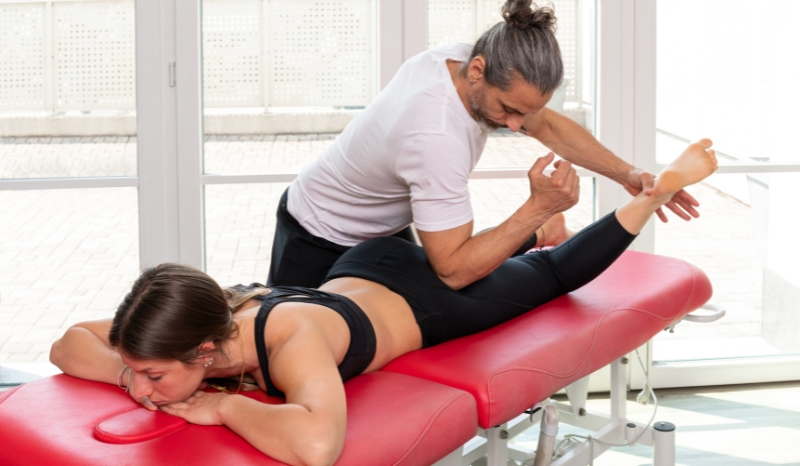
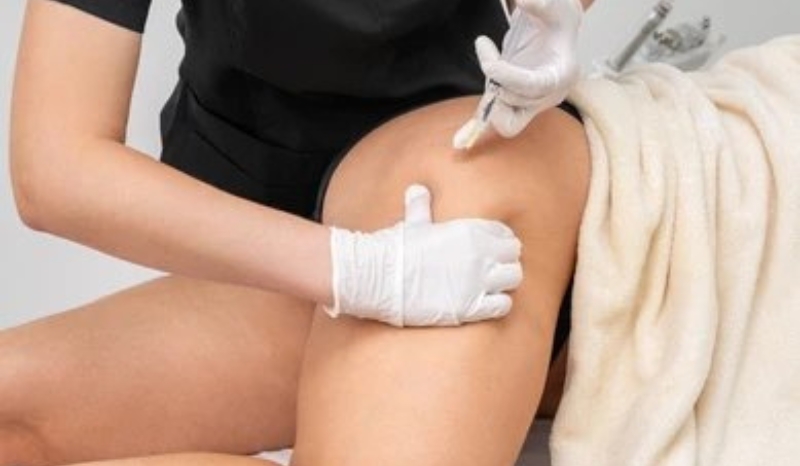
The piriformis muscle is a muscle that extends from the base of the spine to the outside of your femur/hip region. That muscle has a variety of functions including pulling your leg away from the body and rotating it outwards.Piriformis syndrome is a condition which may be due to compression of the sciatic nerve by the piriformis muscle. Causes of piriformis syndrome include: trauma to the gluteal region and over-use injury.Symptoms may include pain and numbness in the buttocks and down the leg. Imaging studies are not useful to diagnose piriformis syndrome and so often it requires a trained provider to determine if this may be the cause of your pain. Treatment for piriformis syndrome includes avoiding activities that cause the symptoms. Additionally,  stretching, physical therapy and piriformis muscle injections can also be helpful.

Recognizing the Signs of Sciatic Nerve Compression

Deep, aching discomfort
Persistent, localized pain deep within the buttocks that often intensifies after prolonged periods of sitting.
Radiating nerve sensations
Numbness, tingling, or a burning sensation that travels from the gluteal region down the back of the thigh and calf.
Reduced mobility
Noticeable stiffness and reduced range of motion in the hip joint, making everyday actions like walking or climbing stairs difficult.
Movement-triggered spasms
Sharp, sudden increases in pain triggered by specific movements, such as squatting, running, or pivoting the leg outward.
Doctor and patient reviewing treatment plan

This condition develops when the piriformis muscle spasms, tightens, or hypertrophies, directly irritating the adjacent sciatic nerve and creating severe localized and radiating discomfort.

Gluteal Trauma

Direct impacts, falls, or sudden injuries to the buttocks that lead to acute muscle inflammation, swelling, and subsequent nerve compression.

Overuse Strain

Repetitive micro-trauma caused by activities like long-distance running, excessive bicycling, or extended periods of sitting at a desk.

Clinical Diagnosis

Because standard imaging often misses this condition, diagnosis relies heavily on a specialized physical examination to reproduce symptoms and isolate the piriformis as the pain source.

Targeted Interventions

Utilizing precise, minimally invasive techniques like guided muscle injections to rapidly calm spasms and relieve pressure on the sciatic nerve.


01

02

03

04

Patient Testimonials

"Dr. Dabah and his colleagues are absolutely the best! They will have no problem battling it out with insurance companies to get you the results you deserve. They are kind, caring individuals from the front desk all the way up the chain of command. I am definitely recommending him and his team to take care of my family and friends as well as your family and friends. Thanks doc! 😎"
Hugo Uribe
"First visit and it was a great experience. The front desk staff was very welcoming.I felt heard by the provider as he actively listened to my concerns and symptoms. I would recommend this center to anyone that is in need of a pain provider."
Danielle K
"I am delighted by the results. I limped into the office in a great deal of pain which I endured for months. After a few weeks of pain management, I was back to my swift walking. My last appointment recommended suggestions for maintenance and coming back if necessary. Great experience and friendly staff!"
Audrey Boyd

Assessing Your Fit for Targeted Piriformis Care

Individuals experiencing persistent, deep buttock pain that remains unrelieved by rest, ice, or over-the-counter anti-inflammatory medications.
Patients who notice a severe worsening of their symptoms after sitting for extended periods, such as during long commutes or desk work.
Athletes or active adults suffering from recurring gluteal spasms that restrict their hip mobility and impact their overall performance.
Those seeking effective, minimally invasive alternatives to manage nerve pain without resorting to heavy, systemic pain medications or invasive surgeries.

Expert Tip: Because standard MRIs often fail to display piriformis syndrome clearly, an accurate physical examination by a specialized pain provider who knows exactly how to test hip mobility is the most critical step in avoiding a misdiagnosis of a spinal disc issue.

Evaluating Your Gluteal Pain Relief Options

Recovery Time

Invasiveness

Anesthesia

Target Area

Relief Speed

Same Day

Minimal

Local

Direct Muscle

Fast Acting

Months

High

General

Broad Area

Slow

15+

500+

Top 1%

Take the First Step Toward Relief

Schedule a consultation today to discuss your symptoms, learn about your treatment options, and find out which approach may be right for you.
(847) 750-6877
3200 W Higgins Rd Suite 101 Hoffman Estates, IL 60169
Midwest Vascular and Pain Specialists