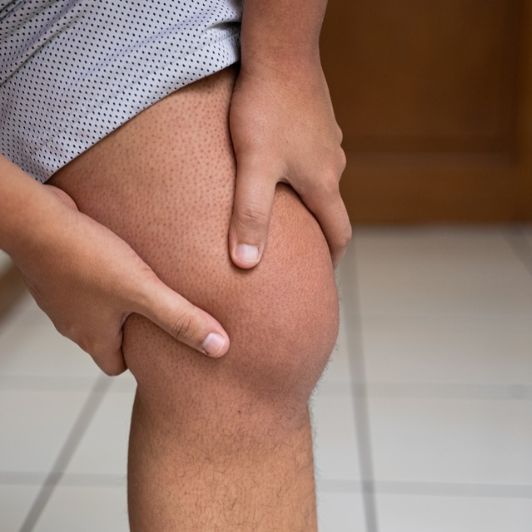

Is This You?

You don't have to let persistent knee pain keep you from doing the things you enjoy.
Knee pain is limiting your daily activities
You have tried medications, therapy, or other treatments without enough relief
You want to explore non-surgical options before considering knee surgery
Doctor and patient reviewing treatment plan

15+

500+

Top 1%

Patient Testimonials

"Dr. Dabah and his colleagues are absolutely the best! They will have no problem battling it out with insurance companies to get you the results you deserve. They are kind, caring individuals from the front desk all the way up the chain of command. I am definitely recommending him and his team to take care of my family and friends as well as your family and friends. Thanks doc! 😎"
Hugo Uribe
"First visit and it was a great experience. The front desk staff was very welcoming.I felt heard by the provider as he actively listened to my concerns and symptoms. I would recommend this center to anyone that is in need of a pain provider."
Danielle K
"I am delighted by the results. I limped into the office in a great deal of pain which I endured for months. After a few weeks of pain management, I was back to my swift walking. My last appointment recommended suggestions for maintenance and coming back if necessary. Great experience and friendly staff!"
Audrey Boyd

What Can We Help You With?

Osteoarthritis
The most common cause of chronic knee pain, osteoarthritis occurs when the protective cartilage within the joint gradually wears down. This can lead to pain, stiffness, swelling, and difficulty moving the knee.
Rheumatoid Arthritis
Rheumatoid arthritis is an autoimmune condition that can cause inflammation within the knee joint, resulting in pain, swelling, stiffness, and reduced mobility.
Meniscus Tears
The meniscus helps cushion and stabilize the knee. A tear can cause pain, swelling, catching, or difficulty with certain movements.
Tendinitis & Bursitis
Inflammation affecting the tendons or bursae around the knee can cause localized pain, tenderness, and discomfort with movement or activity.
Doctor and patient reviewing treatment plan
GET HELP WITH KNEE PAIN
Different types of injections may be used depending on the cause of your knee pain, the condition of your joint, your previous treatments, and your goals.

Corticosteroid Injections

Corticosteroid injections can help reduce inflammation and pain inside or around the knee joint. They may provide temporary relief for people experiencing inflammatory or arthritis-related knee pain.

Hyaluronic Acid Injections

Hyaluronic acid injections are sometimes used for knee osteoarthritis. They are designed to supplement substances naturally found in joint fluid and may help reduce pain and improve movement for some patients.

Platelet-Rich Plasma (PRP) Injections

PRP injections use a concentrated preparation made from the patient's own blood. PRP is being studied and used for certain musculoskeletal conditions, including knee osteoarthritis and tendon-related problems.

Genicular Nerve Block Injections

A genicular nerve block targets nerves that transmit pain signals from the knee. It may be used diagnostically or therapeutically and can help determine whether a patient may benefit from additional nerve-targeted treatment.

01

02

03

04

What to Expect After a Knee Injection

Your recovery experience depends on the type of injection performed and the condition being treated.
You may experience mild soreness or tenderness around the injection site for a short period after treatment.
Follow your provider's post-treatment instructions regarding activity, medications, and when to resume normal activities.
Relief can vary from patient to patient. Some injections may provide relatively short-term relief, while others may take time to show their full effect.
Your provider will monitor your response and can discuss additional treatment options if your pain continues.

When should you contact your provider?

Contact your healthcare provider if you experience unexpected or worsening symptoms after your injection, particularly significant swelling, increasing redness, fever, severe pain, or other concerning changes.

Medical Insurance
& Coverage

Your insurance coverage depends on your specific plan, diagnosis, procedure, and medical-necessity requirements.

Our team can help you understand the next steps and determine what information may be needed before treatment.


Take the First Step Toward Pain Relief

If back, neck, or radiating nerve pain is affecting your everyday life, an epidural steroid injection may be one treatment option to discuss with a pain specialist.
(847) 750-6877
3200 W Higgins Rd Suite 101 Hoffman Estates, IL 60169
Midwest Vascular and Pain Specialists