
Is Sacroiliac Joint Dysfunction Causing Your Pain?

Pain from the sacroiliac joint can sometimes feel similar to lower-back, hip, or leg pain. Identifying the source of your symptoms is an important part of developing an appropriate treatment plan.
You have persistent pain in your lower back, buttock, hip, or upper leg
Pain becomes worse with standing, walking, stairs, or changing positions
- Conservative treatments haven't provided enough relief
Doctor and patient reviewing treatment plan

15+

500+

Top 1%

Patient Testimonials

"Dr. Dabah and his colleagues are absolutely the best! They will have no problem battling it out with insurance companies to get you the results you deserve. They are kind, caring individuals from the front desk all the way up the chain of command. I am definitely recommending him and his team to take care of my family and friends as well as your family and friends. Thanks doc! 😎"
Hugo Uribe
"First visit and it was a great experience. The front desk staff was very welcoming.I felt heard by the provider as he actively listened to my concerns and symptoms. I would recommend this center to anyone that is in need of a pain provider."
Danielle K
"I am delighted by the results. I limped into the office in a great deal of pain which I endured for months. After a few weeks of pain management, I was back to my swift walking. My last appointment recommended suggestions for maintenance and coming back if necessary. Great experience and friendly staff!"
Audrey Boyd

Symptoms of Sacroiliac Joint Dysfunction

Lower Back Pain
SI joint dysfunction can contribute to pain in the lower portion of the back, particularly around the area where the pelvis and lower spine meet.
Buttock Pain
Pain from the sacroiliac joint is frequently felt in one or both buttocks and may become more noticeable with certain movements or prolonged activity.
Hip & Pelvic Pain
SI joint problems can produce discomfort around the hip or pelvis, which can sometimes be confused with other musculoskeletal conditions.
Leg Pain
Some patients with SI joint dysfunction experience pain that extends into the thigh or leg. An evaluation can help distinguish SI joint pain from other causes of radiating leg symptoms.
Doctor and patient reviewing treatment plan
FIND OUT WHAT'S CAUSING YOUR PAIN
Treatment for SI joint dysfunction depends on the severity and cause of your symptoms. Your provider will recommend an approach based on your individual condition and treatment goals.

Physical Therapy

Targeted exercises and physical therapy may help improve strength, flexibility, stability, and movement patterns around the pelvis and lower back.

Medication Management

Certain medications may be used to help manage pain and inflammation as part of a broader treatment plan when appropriate.

SI Joint Injections

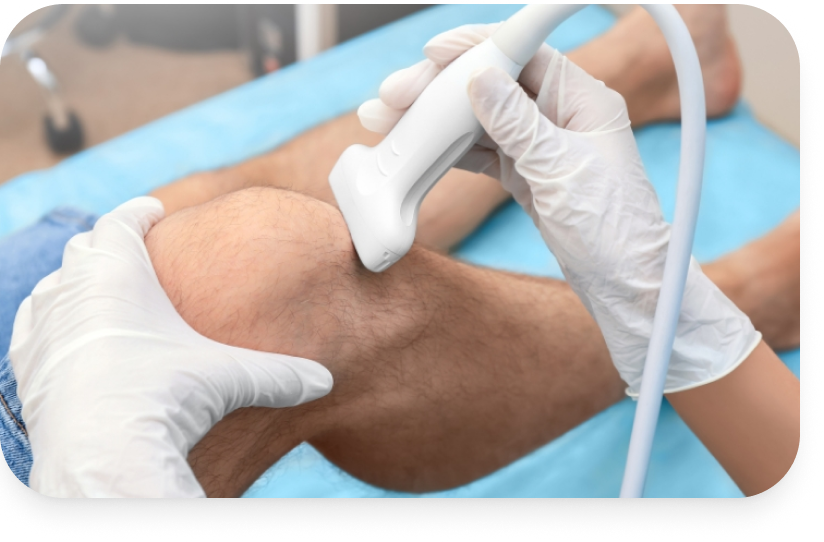
An image-guided sacroiliac joint injection can deliver medication directly into the joint and may be used to provide therapeutic relief or help determine whether the SI joint is contributing to your pain.

Radiofrequency Ablation

For appropriately selected patients with persistent SI joint-related pain, radiofrequency techniques may be considered to target nerves transmitting pain signals from the joint.

01

02

03

04

What to Expect From SI Joint Pain Treatment

Treatment varies depending on the cause and severity of your symptoms. Your provider will explain the recommended treatment and what you can expect before proceeding.
A comprehensive evaluation of your symptoms and medical history.
Assessment of potential pain sources to help distinguish SI joint pain from other conditions.
A personalized treatment plan based on your diagnosis, symptoms, and goals.
Follow-up care to evaluate your response and determine whether additional treatment may be appropriate.

When Should You See a Specialist for SI Joint Pain?

Consider an evaluation if lower-back, buttock, hip, or pelvic pain persists, repeatedly returns, limits your activities, or does not improve with initial conservative treatment.

Medical Insurance & Coverage

Insurance coverage for sacroiliac joint treatments depends on your individual plan, diagnosis, medical necessity, and policy requirements.

‍
Our team can help you understand what may be required before treatment.

Take the First Step Toward Pain Relief

If back, neck, or radiating nerve pain is affecting your everyday life, an epidural steroid injection may be one treatment option to discuss with a pain specialist.
(847) 750-6877
3200 W Higgins Rd Suite 101 Hoffman Estates, IL 60169
Midwest Vascular and Pain Specialists